The real AI curriculum isn't using it, but knowing when not to
🕒 Published on Zendoric: July 9, 2026 · 00:21
✨ AI-generated · how it's made
Three educators from Hawaiʻi have been national finalists in the Presidential AI Challenge for a program that teaches high school students to ask not just how to use AI, but when, why and whether they should. It's a small clue about where education is heading in the AI era.
📚 Go deeper
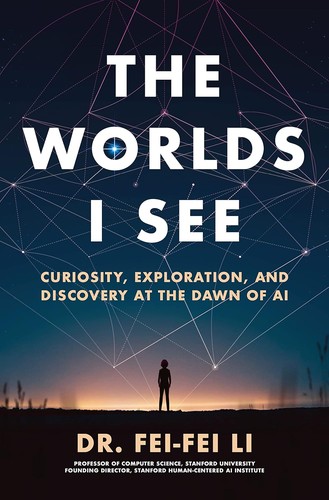
The memoir of the creator of ImageNet, the scientist who made the deep learning revolution in vision possible.
As an Amazon Associate, Zendoric earns from qualifying purchases; the price does not change for you. · all our recommended books →
By University of Hawaiʻi System News · July 8, 2026.
Three Hawaiʻi educators —Kawika Gonzales and Leah Aiwohi, both graduates of the College of Education at the University of Hawaiʻi at Mānoa, along with their colleague Chloe Sato— have been recognized in Washington D.C. as national finalists of the Presidential AI Challenge, after winning the regional round. The award honors their work leading Global Innovation Race Hawaiʻi, a statewide program that connects high school students from across the archipelago to solve real problems in their communities using design thinking and artificial intelligence responsibly. They received a cash prize and access to digital resources to keep developing the program.
The detail worth pausing on is not the award itself, but Gonzales's line summing up the program's philosophy: "Teaching our students to use AI is no longer enough. We also need to teach them when to use it, why to use it, and whether it should be used at all." It is a subtle but important distinction, and it marks a leap beyond the first wave of AI digital literacy, focused almost exclusively on handling the tool (how to write a prompt, how to use this or that app). What this program proposes is a curriculum of judgment, not of operation.
This connects directly with one of the theses we have been advancing about AI's impact on employment across sectors: in education, the winner is not the teacher who simply transmits content, but the one who orchestrates AI with pedagogical judgment. The same logic, carried downstream, applies to the students themselves: in a world where knowing how to "use" generative AI will be as basic and commoditized a skill as knowing how to use a word processor, the value differential —and future employability— will lie in knowing when to delegate to the machine, when to trust human judgment and when to simply abstain. It is exactly the kind of competency that neither a language model nor a rote curriculum can replace.
That this initiative is born in high school classrooms and not in a university master's program is also significant. As context for the sector, most debates about AI and higher education revolve around detecting academic cheating or reformulating exams; programs like this one instead bet on bringing the conversation about responsible use forward to earlier ages, when habits of critical thinking about technology are still forming. It is a modest effort in scale —a handful of educators, a small state— but it is exactly the kind of local experiment that, if it works, gets replicated: the national recognition and the resources that accompany the award are designed for that.
Our reading is that these educational initiatives, though they do not grab headlines like the big model launches, are the ones that will determine whether the transition toward a society with an abundance of AI tools results in citizens capable of using it with judgment or in passive users dependent on it. AI's long-term promise —freeing up human time for the work that inspires us, not just automating tasks— demands generations that can distinguish useful delegation from the abdication of their own thinking. That, at bottom, is the real curriculum being put to the test in Hawaiʻi.
📚 Go deeper
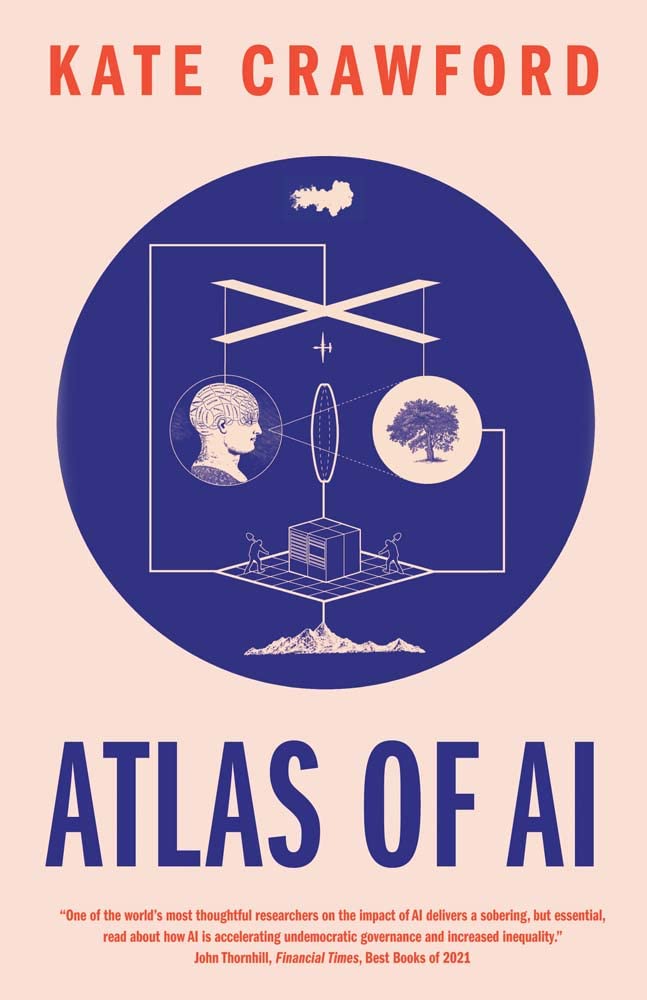
AI as an extractive industry: the lithium, the energy, the underpaid data-labeling work and the bodies behind the cloud.
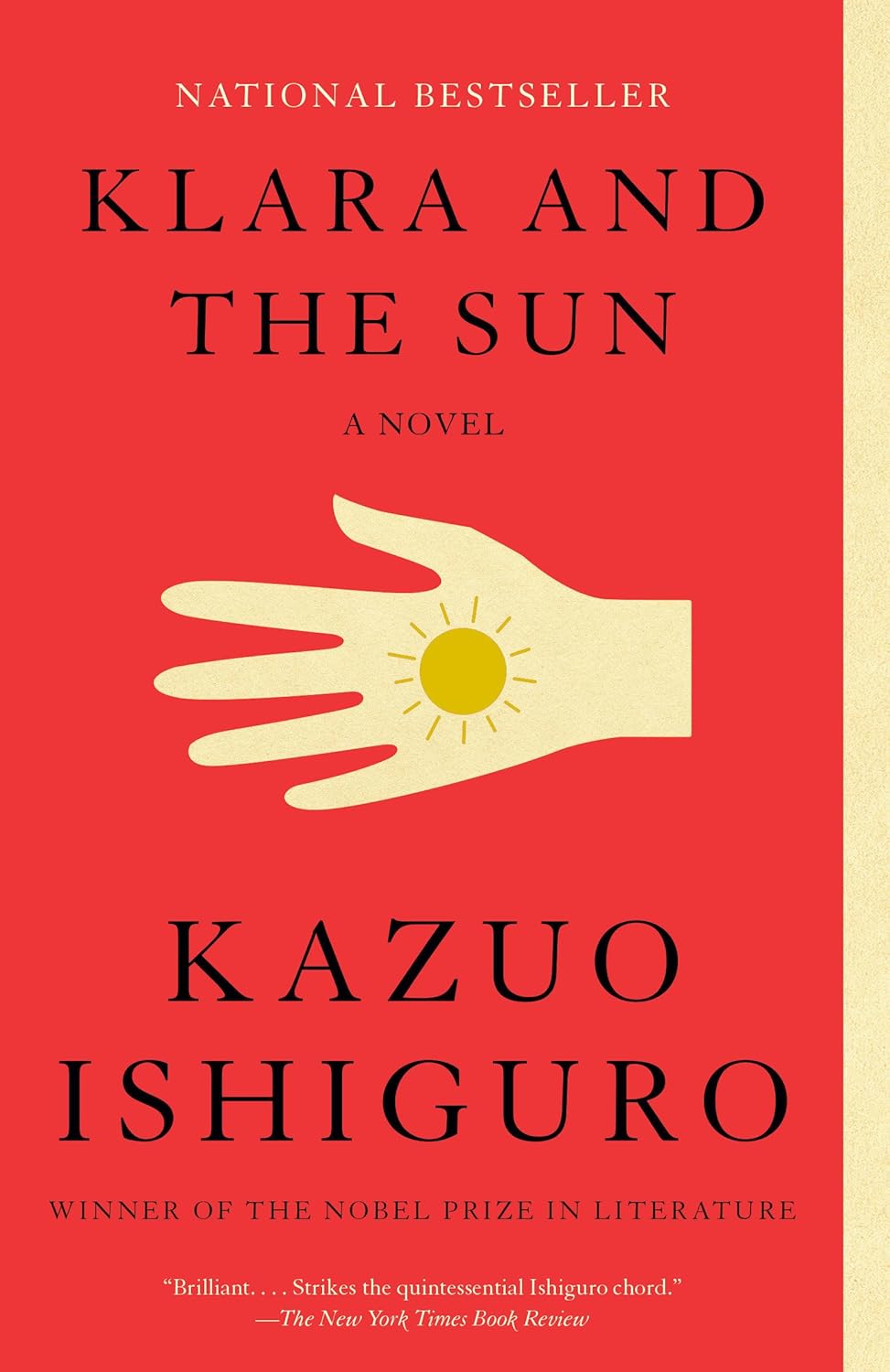
The only novel on the list, by a Nobel laureate: an artificial friend observes humans with a blend of lucidity and innocence no essay achieves.
As an Amazon Associate, Zendoric earns from qualifying purchases; the price does not change for you. · all our recommended books →
🔗 Related on Zendoric
- AI doesn't create cheaters: it just makes visible an education system that was already producing them · 2026-07-01
- ECO-IA: when the classroom replaces the corporate lab at the edge computing frontier · 2026-07-07
- Naira: when AI-powered irrigation reaches a Senegalese village before electric power does · 2026-07-12