US lifts restrictions on OpenAI's GPT-5.6 after negotiations with the Trump administration
🕒 Published on Zendoric: July 9, 2026 · 00:21
✨ AI-generated · how it's made
The Axios article (by Ashley Gold and Ina Fried) reveals that the Trump administration has given the green light to the broad release of GPT-5.6, OpenAI's advanced model, according to a source who confirmed it to Axios.
📚 Go deeper
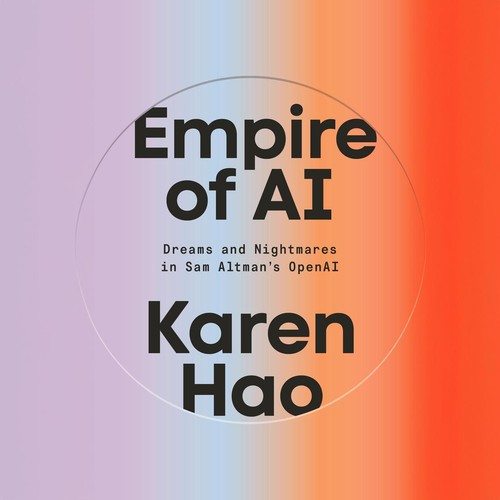
The definitive piece of investigative journalism on OpenAI: 260+ interviews, the clash between safety and speed, and the attempted firing of Sam Altma
As an Amazon Associate, Zendoric earns from qualifying purchases; the price does not change for you. · all our recommended books →
The Axios article (by Ashley Gold and Ina Fried) reveals that the Trump administration has given the green light to a broad launch of GPT-5.6, OpenAI's advanced model, according to a source who confirmed it to Axios. OpenAI announced that its flagship GPT-5.6 model, named "Sol," along with the lower-tier "Terra" and "Luna" versions, will be released publicly on Thursday.
The relevant point here is not just technical but political: the U.S. government and the most advanced AI companies are negotiating case by case, in real time, how access is granted to technologies considered potentially dangerous. This marks an ad hoc regulatory pattern that is consolidating in 2026, without a clear and stable normative framework.
According to the article, the approval came after additional testing and meetings between OpenAI and government officials. The testing was carried out by the Center for AI Standards and Innovation, part of the Department of Commerce, with technical experts from OpenAI who remained in Washington, D.C., to answer questions.
The context is key: last month, the Trump administration had pressured OpenAI to conduct a staggered launch of GPT-5.6, limiting initial access to government-approved entities. OpenAI had said at the time that such a staggered rollout was not its preferred method. The company also noted that AI companies and the government are operating without concrete standards for launching these models—standards that are supposed to be defined based on Trump's latest executive order on AI.
The broader picture shows that both OpenAI and Anthropic have recently had to limit the launch of their most powerful models. In June, the Department of Commerce barred foreigners from accessing Anthropic's Mythos and Fable models, essentially forcing their withdrawal from the market. The ban on Fable was lifted last week, restoring customer access a day later.
A particularly interesting point in the article is the official contradiction: a White House official denied that the administration has given a "go-ahead," an approval, or an authorization, arguing that no such permission is required. According to that official, "no such permission is required or granted," and decisions on the timing and scope of launches "rest entirely with the companies." This official cited Trump's June 2 executive order, which prohibits any mandatory federal licensing or prior authorization for the launch of AI models, and stated that any testing or meetings with government experts are voluntary.
This ambiguity between what the rule says and what happens in practice is a recurring theme to watch: the leading AI companies (OpenAI, Anthropic) appear to be subject to government scrutiny that is not formally codified but that nonetheless determines the pace of their commercial launches.
Note: the article is relatively brief and does not delve into GPT-5.6's specific technical capabilities beyond mentioning its three tiers (Sol, Terra, Luna); nor does it detail exactly what the safety testing carried out by the Center for AI Standards and Innovation consisted of.
📚 Go deeper
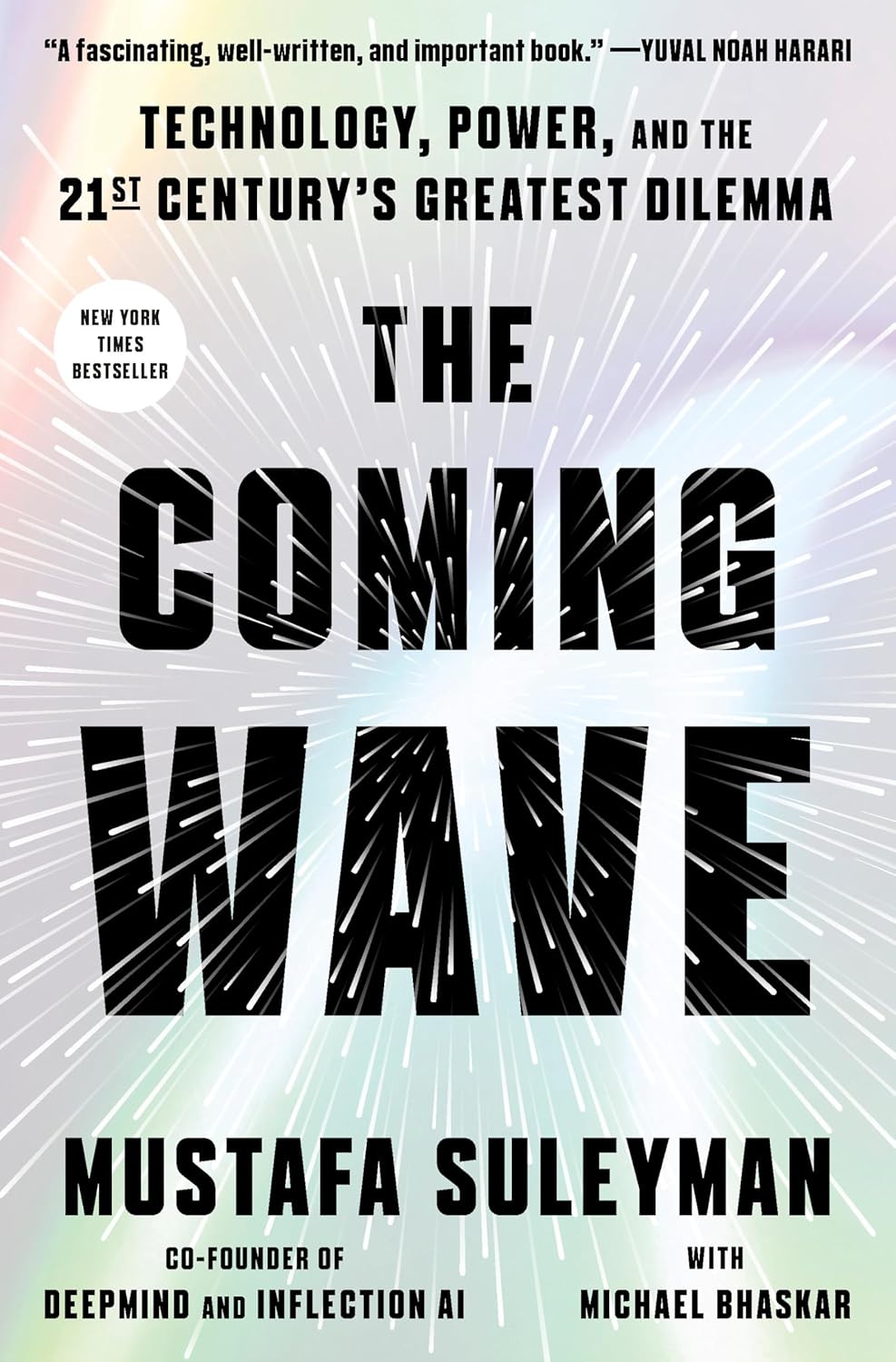
DeepMind co-founder on the dilemma of containing technologies that do not want to be contained.
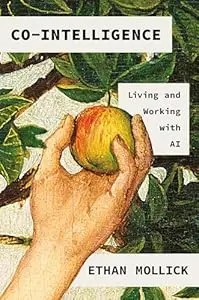
The best starting book if you're not technical: a Wharton professor explains how to work WITH AI — when to delegate, when to supervise, when to keep i
As an Amazon Associate, Zendoric earns from qualifying purchases; the price does not change for you. · all our recommended books →
🔗 Related on Zendoric
- GPT-5.6 clears federal review and ships with 'ChatGPT Work' — the agent race is now about distribution · 2026-07-10
- GPT 5.6 rolls out in a trickle: when the State stands, de facto, between the model and the market · 2026-06-27
- OpenAI Staggers GPT-5.6 at Washington's Request: Caution as a Feature, Not a Bug · 2026-06-27