Kenya wants its STEM students to graduate knowing how to use AI: a warning that applies to the whole Global South

🕒 Published on Zendoric: July 9, 2026 · 00:21
✨ AI-generated · how it's made
An executive at Young Scientists Kenya calls for AI to enter secondary STEM classrooms now, before students reach the job market. The Kenyan case exposes a dilemma repeated in every country trying to make the training leap without having solved its basic infrastructure.
📚 Go deeper
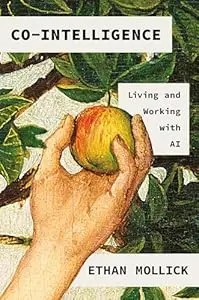
The best starting book if you're not technical: a Wharton professor explains how to work WITH AI — when to delegate, when to supervise, when to keep i
As an Amazon Associate, Zendoric earns from qualifying purchases; the price does not change for you. · all our recommended books →
By Business Daily Africa (Kenya) · July 8, 2026.
Victor M. Mwongera, national director of Young Scientists Kenya, writes a column in Business Daily Africa with a simple but uncomfortable argument: Kenya has set the goal that 60% of upper-secondary students should pursue the STEM track under its new Competency Based Education model, but that objective risks remaining on paper if students don't learn to work with AI before they graduate. His thesis is that AI tools are becoming a workplace skill as basic as handling a spreadsheet, and that employers no longer value technical knowledge alone, but the ability to combine it with AI to analyze data, speed up decisions and solve problems. The article itself acknowledges the obstacles bluntly: limited school infrastructure, teachers without adequate training and insufficient funding to sustain the education reform underway.
The approach connects with something we have already seen repeated in the education sector globally: the winning school is neither the one that bans AI nor the one that uses it without judgment, but the one that trains teachers capable of orchestrating it as a tool for augmented teaching. Mwongera senses this when he calls for teachers to be trained in data privacy, critical thinking and risk management, not just basic digital literacy. It is the same distinction that separates, in any profession, those who delegate their judgment to the machine from those who use it to broaden their own.
What's relevant about this column is not its technical content —it's an opinion piece, with no hard data beyond the official 60% goal— but the vantage point from which it is written. The conversation about AI and jobs tends to center on Silicon Valley, Beijing or Brussels; here it is framed from Nairobi, in a country competing to position its young workforce in sectors such as agriculture, health, energy and manufacturing. If generative AI delivers on its promise of making cheaper the skills that once required years of specialized training, the countries that today start with less technological infrastructure have, paradoxically, more to gain from a well-executed training leap: they can skip intermediate stages of traditional economic development, just as happened with mobile telephony versus the fixed-line network. That is, ultimately, the argument for abundance applied to education: AI as a lever that levels opportunities between economies with very different starting points, not just as a threat of replacement.
But it's worth not losing sight of the short-term nuance the author himself admits. An ambitious curricular goal without a budget, without stable connectivity and without trained teachers does not automatically translate into prepared students; it translates into one more gap between the schools that can afford AI tools and those that cannot. The hard transition we usually talk about in the labor arena has its educational version here: whoever is late to equip their students with these skills will lose not only future jobs, but the possibility of taking part in the next wave of economic growth. The 60% STEM target is a sound statement of intent; what will determine whether Kenya —or any other country in the same position— manages to capitalize on it is whether it can close that execution gap before today's students reach tomorrow's labor market.
📚 Go deeper
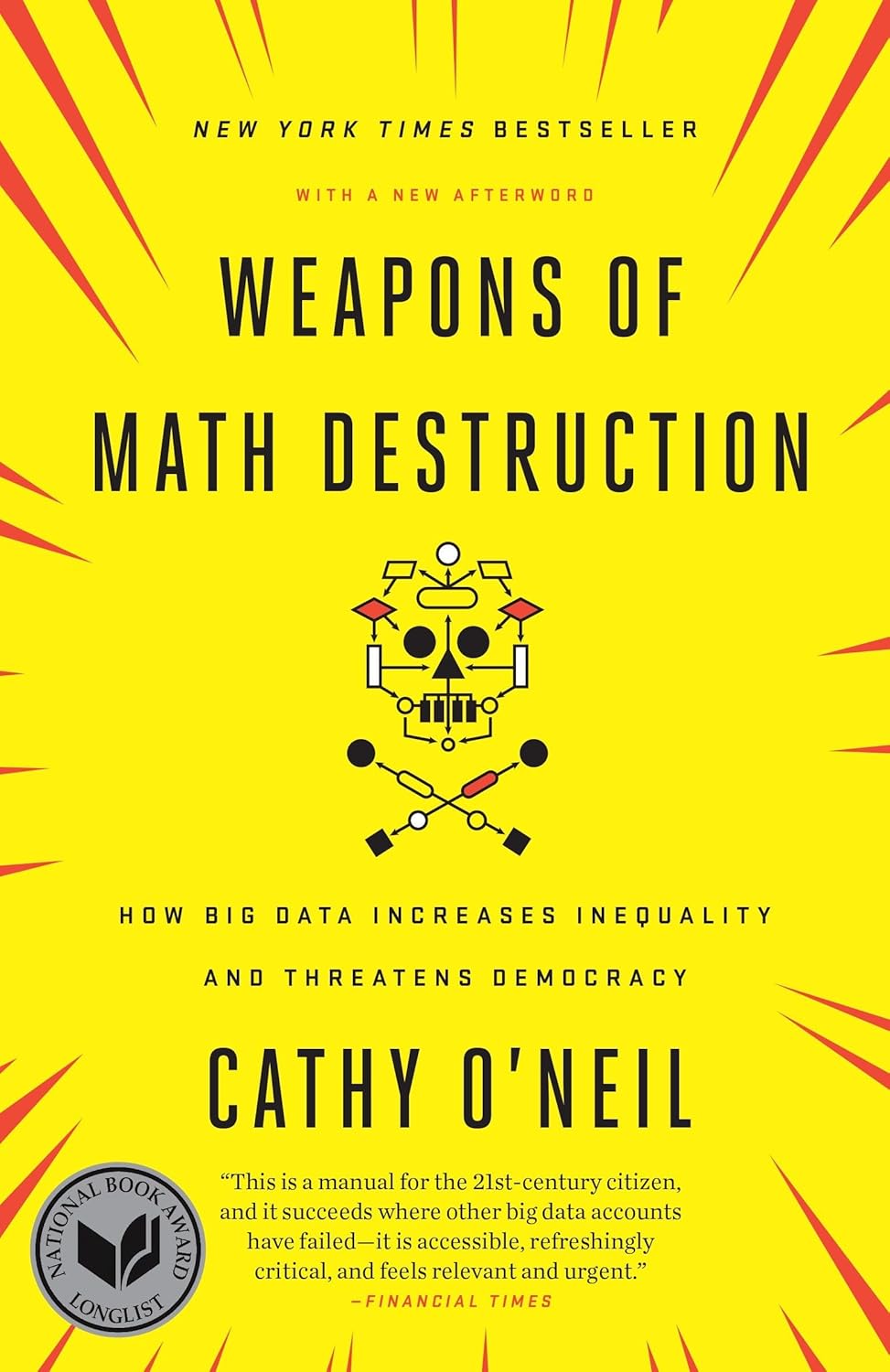
How opaque algorithms decide who gets credit, a job or parole — and why they tend to punish the same people.
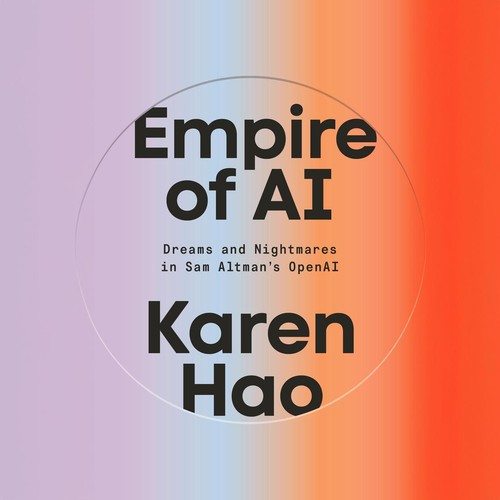
The definitive piece of investigative journalism on OpenAI: 260+ interviews, the clash between safety and speed, and the attempted firing of Sam Altma
As an Amazon Associate, Zendoric earns from qualifying purchases; the price does not change for you. · all our recommended books →
🔗 Related on Zendoric
- Naira: when AI-powered irrigation reaches a Senegalese village before electric power does · 2026-07-12
- Bristol students showcase AI and aerospace projects: the next generation is already touching the future · 2026-06-30
- AI cameras solved a shooting in Hilton Head in five minutes: the price is permanent surveillance · 2026-07-07