AI's boomerang effect: companies rehire employees after automation failures

🕒 Published on Zendoric: July 3, 2026 · 01:20
✨ AI-generated · how it's made
The TechSpot article documents a growing phenomenon: companies that laid off workers to replace them with AI are reversing course after finding that automation did not meet the promised productivity and cost-saving expectations.
📚 Go deeper
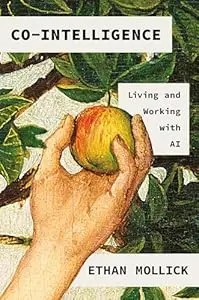
The best starting book if you're not technical: a Wharton professor explains how to work WITH AI — when to delegate, when to supervise, when to keep i
As an Amazon Associate, Zendoric earns from qualifying purchases; the price does not change for you. · all our recommended books →
The TechSpot article documents a growing phenomenon: companies that laid off workers to replace them with AI are backtracking after finding that automation did not meet the productivity and cost-savings expectations that had been promised.
The most prominent case is Ford, which, according to reports the week before publication, is rehiring and promoting more than 350 veteran engineers. The underlying problem was that the hands-on experience of these professionals, often not formally documented, never made it into the datasets used to train the AI systems, creating knowledge gaps when it came to identifying and preventing technical failures.
Another example cited is the Commonwealth Bank of Australia (CBA), which laid off more than 40 customer service employees the previous year to replace them with an AI voice bot. The result was an increase in call volume, as the bot could not perform the role as well as humans, which led the bank to reverse the cuts. CBA later acknowledged that it "did not adequately consider all relevant business considerations" when it announced the layoffs.
IBM is also mentioned: despite having cut thousands of jobs last year in its bet on AI and automation, in February it announced that it would triple its hiring of entry-level roles to fill "all those jobs that AI is supposed to be able to do," focused on tasks that require human judgment, customer interaction and oversight of the AI systems themselves.
Klarna, the buy-now-pay-later platform, likewise admitted to rehiring human staff after its AI replacements delivered a "low-quality" outcome.
The article clarifies that this does not mean AI-related layoffs have stopped: Oracle recently announced the cut of 21,000 jobs, acknowledging AI's role in the decision, and it cites figures of 122,524 tech-sector employees laid off across 214 companies during the current year.
However, the text provides several data points supporting the thesis that executives' blind faith in AI's ability to replace staff is beginning to crack. A report by Orgvue revealed that, while 39% of business leaders laid off employees due to AI implementation, 55% admitted that wrong decisions were made regarding those layoffs. Forrester Research, in a 2025 report, predicted that roughly half of the layoffs attributed to AI would be quietly reversed. Data from Robert Half sent to CNBC indicate that 32% of hiring managers in the U.S. acknowledged having eliminated a position mainly because of AI, only to later rehire someone in an equal or similar role.
The article closes with an additional figure that contextualizes the phenomenon: 56% of CEOs surveyed in one report (the exact source is not specified) stated that the introduction of AI has produced no cost or revenue benefit for their companies.
Taken together, the article makes a clear point: AI-related layoffs will continue to happen, but it is increasingly likely that laid-off workers will be rehired once their employers realize there are human skills that machines still cannot replicate. It is a relevant counterpoint to the dominant narrative of the total replacement of the workforce by automated systems, and it suggests that the hasty implementation of AI without adequately considering the operational implications is generating hidden costs that many companies are beginning to pay.
📚 Go deeper
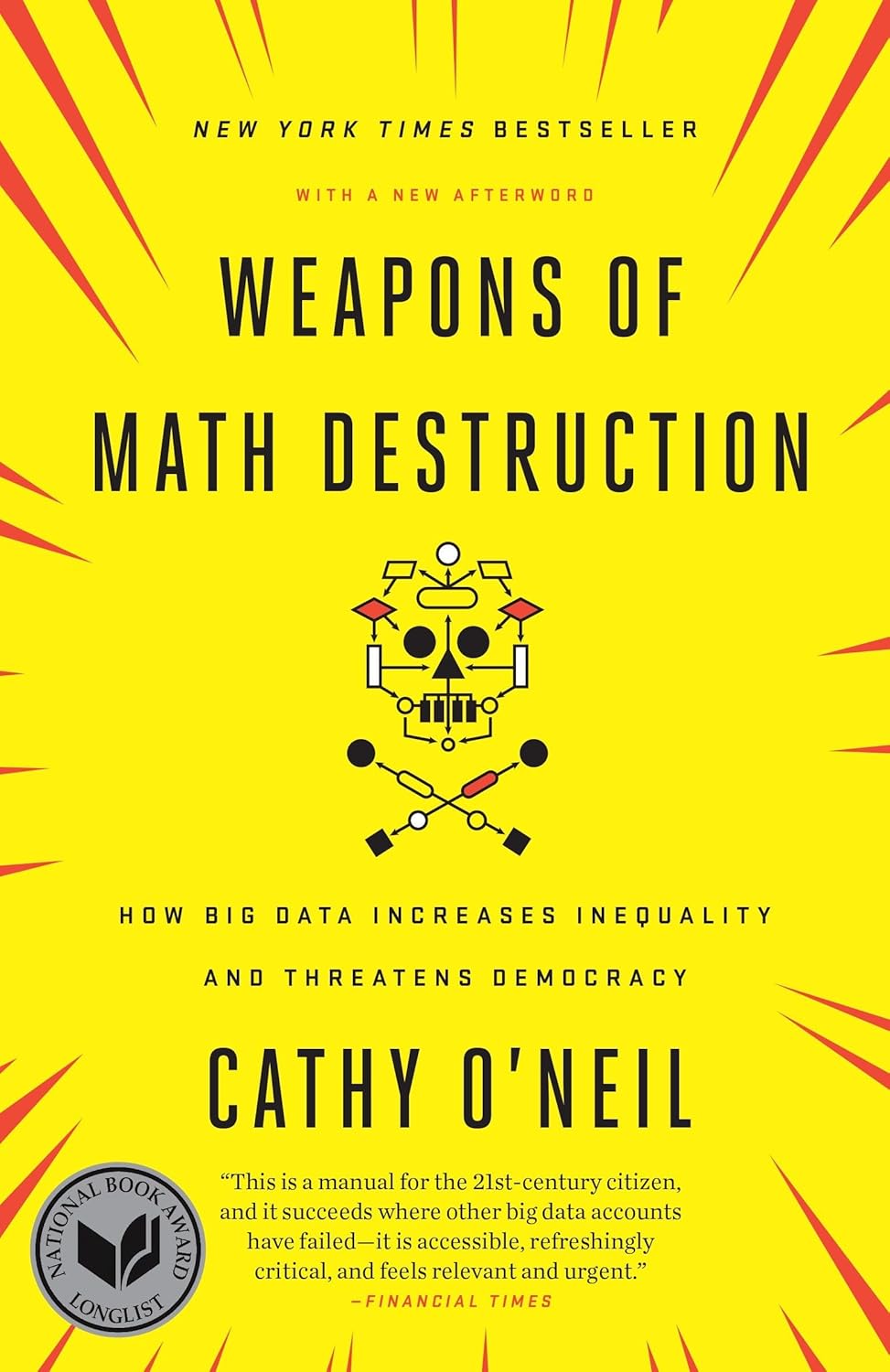
How opaque algorithms decide who gets credit, a job or parole — and why they tend to punish the same people.
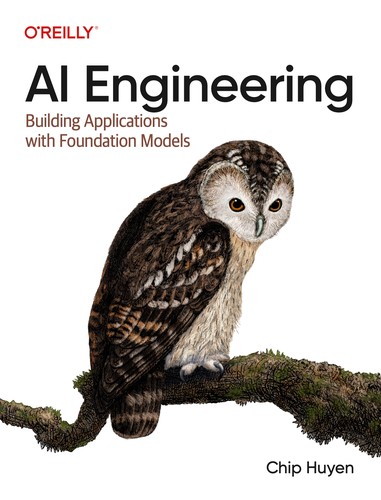
The reference manual for building products on top of AI models: prompts, RAG, fine-tuning, agents, evaluation and deployment.
As an Amazon Associate, Zendoric earns from qualifying purchases; the price does not change for you. · all our recommended books →
🔗 Related on Zendoric
- Rehiring after AI layoffs is not a contradiction: it is the sign that workforce cuts moved faster than learning · 2026-06-27
- The 'tokenpocalypse': companies limit employees' AI use because of its high cost · 2026-07-04
- Chinese AI models gain ground in the US as OpenAI and Anthropic costs soar · 2026-07-09