Meta Cuts 8,000 Jobs Then Downplays AI Fears: The Contradiction Workers Notice

🕒 Published on Zendoric: July 1, 2026 · 00:35
✨ AI-generated · how it's made
Just days after Meta reportedly sent 4 AM layoff emails to 8,000 employees, CEO Mark Zuckerberg moved to calm fears about AI-driven job losses. The timing lays bare the gap between executive reassurance and what people are living through right now.
📚 Go deeper
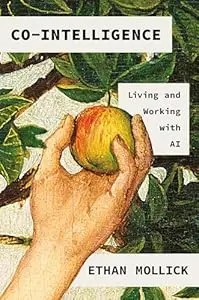
The best starting book if you're not technical: a Wharton professor explains how to work WITH AI — when to delegate, when to supervise, when to keep i
As an Amazon Associate, Zendoric earns from qualifying purchases; the price does not change for you. · all our recommended books →
According to the report, Meta notified roughly 8,000 employees of layoffs via emails sent at 4 AM, and only days later CEO Mark Zuckerberg publicly sought to downplay fears that AI will destroy jobs. We take the facts as stated and attribute the framing to the source; the details we can speak to are the layoffs and the CEO's reassuring message.
The context is what makes this jarring. Reassurance about the long run tends to land poorly when it follows, by mere days, a mass dismissal delivered in the small hours of the morning. Whether or not these particular cuts were caused by AI, they arrive in a moment when the industry is redirecting spend toward AI infrastructure and "efficiency," and workers reasonably read the two events as connected — regardless of how leadership labels them.
The impact is less about one company's headcount and more about trust. When the people signing the layoff emails are also the ones telling you not to worry about automation, the message struggles to carry weight. Tone and timing are not cosmetic here; they shape whether a workforce believes the transition will be handled with any care.
Our reading: both things can be true at once, and pretending otherwise is the real mistake. In the long arc, AI genuinely can push us toward abundance — better health, more time, work chosen out of passion rather than necessity. But the short term is a hard, uneven transition, and administrative and back-office roles are the most exposed. Zuckerberg may well be right that AI won't simply erase employment wholesale; what it does is change which work matters. The honest posture isn't "don't fear" — it's naming the disruption plainly while building toward the upside. A 4 AM email does the opposite: it treats people as line items instead of participants in the change. If the tech industry wants its optimism believed, it has to earn it in how it treats the workers caught in the middle of the transition, not just in how it talks about the destination.
📚 Go deeper
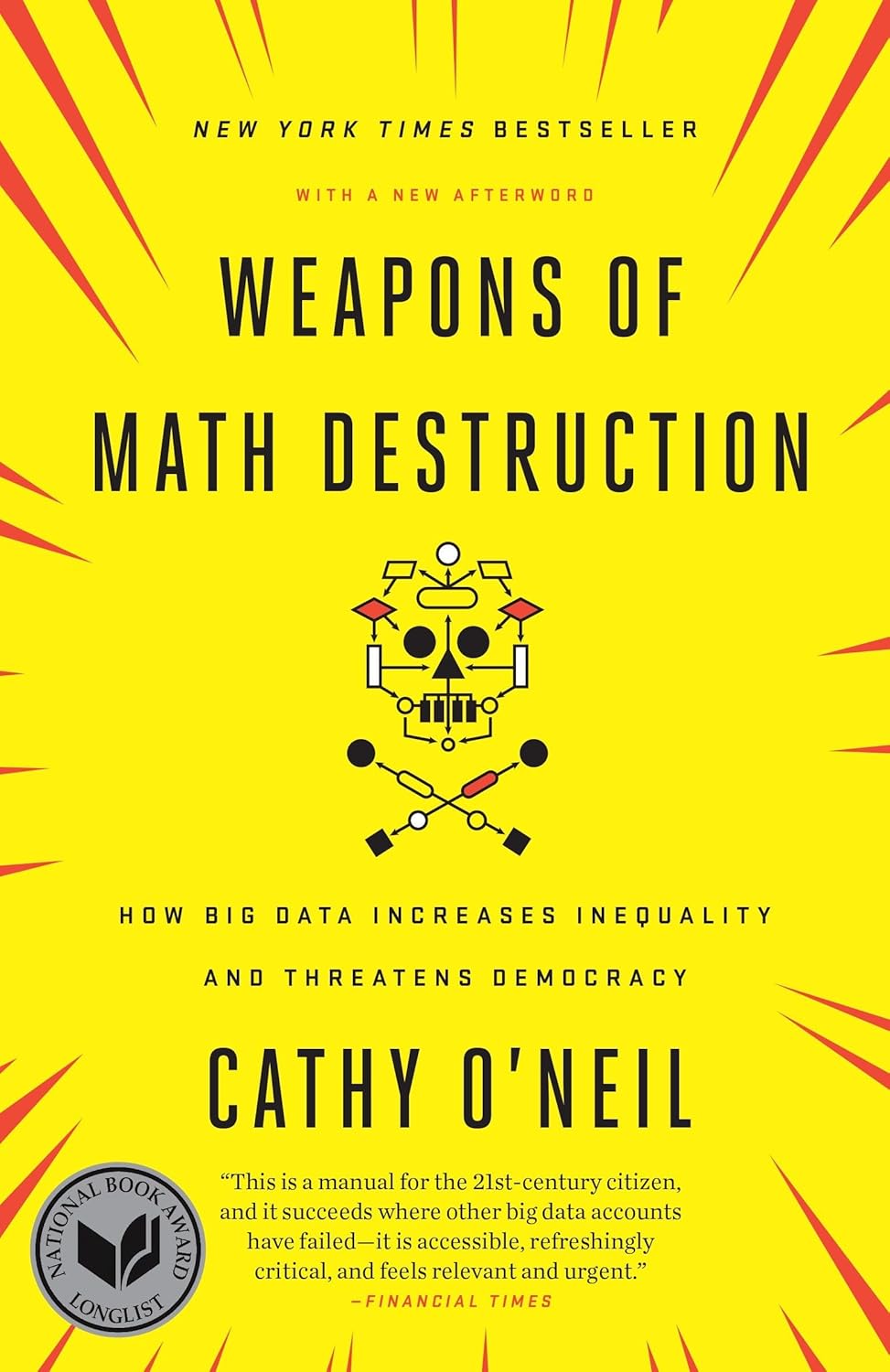
How opaque algorithms decide who gets credit, a job or parole — and why they tend to punish the same people.
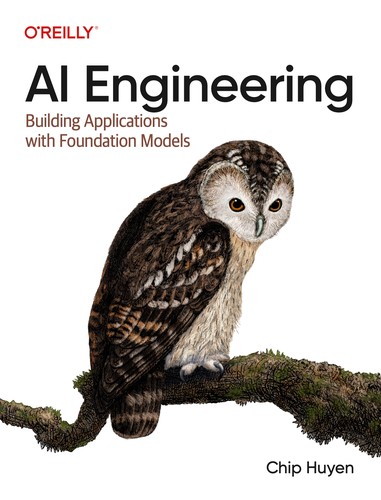
The reference manual for building products on top of AI models: prompts, RAG, fine-tuning, agents, evaluation and deployment.
As an Amazon Associate, Zendoric earns from qualifying purchases; the price does not change for you. · all our recommended books →
🔗 Related on Zendoric
- Norway's 'read first, prompt later' rule is the right instinct, even if the framing is blunt · 2026-06-25
- Rehiring after AI layoffs is not a contradiction: it is the sign that workforce cuts moved faster than learning · 2026-06-27
- OpenAI's Billions in Losses Are the Price of Building the Future, Not a Warning Sign · 2026-06-30